,aspect=fill;Crop=(0,0,775,565),gravity=Center)
,aspect=fit;Crop=(0,0,200,300),gravity=Center)
,aspect=fill;Crop=(0,0,618,618),gravity=Center)



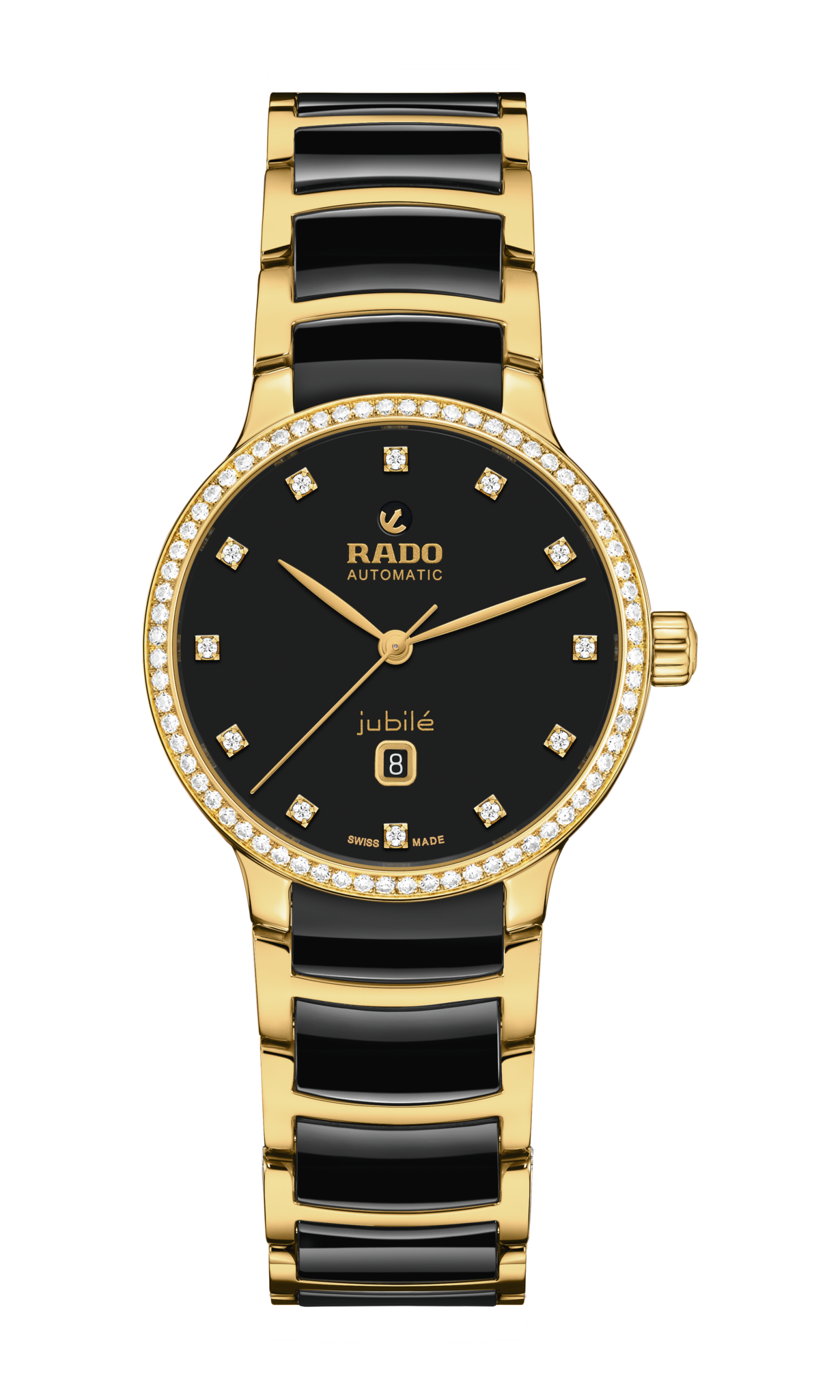
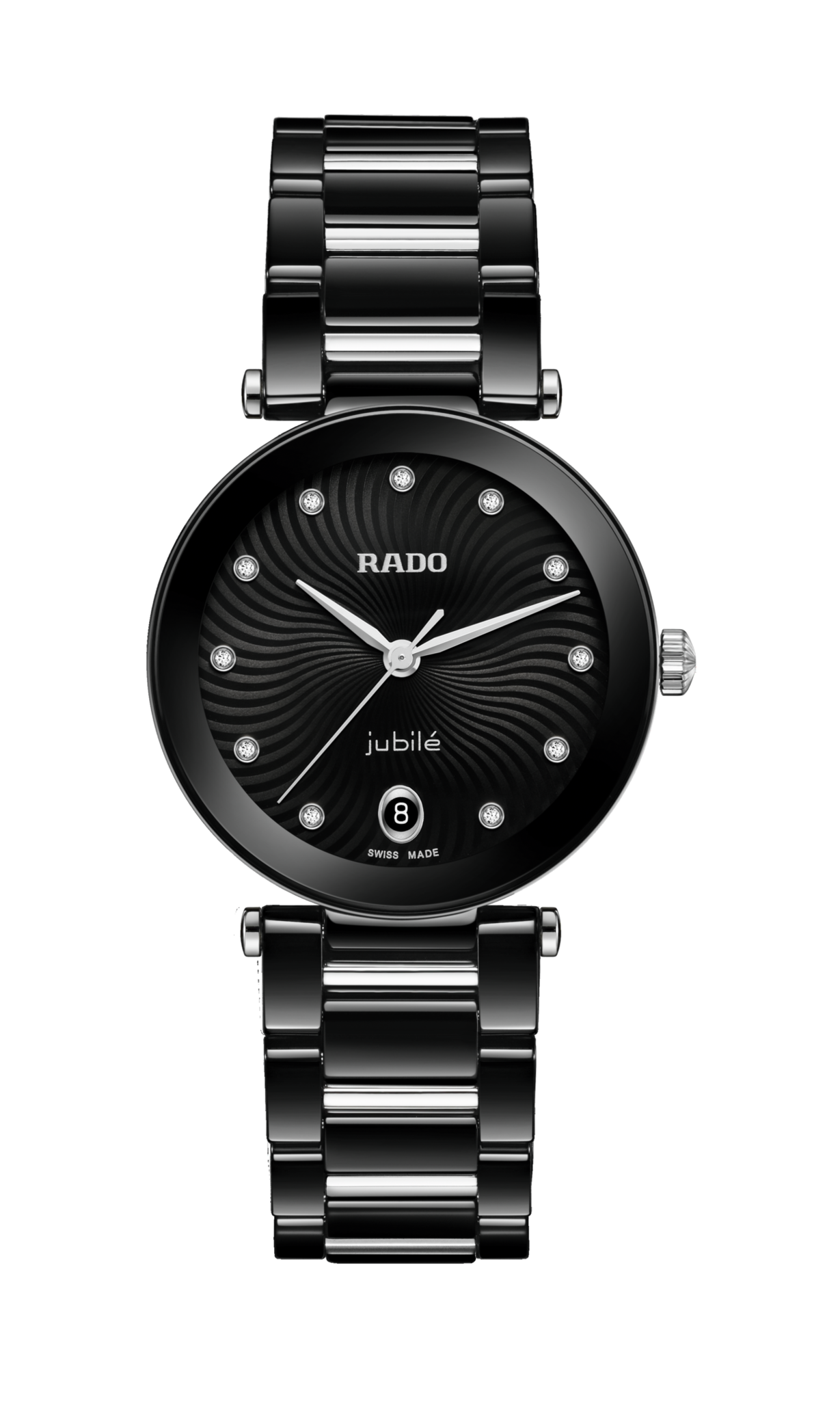
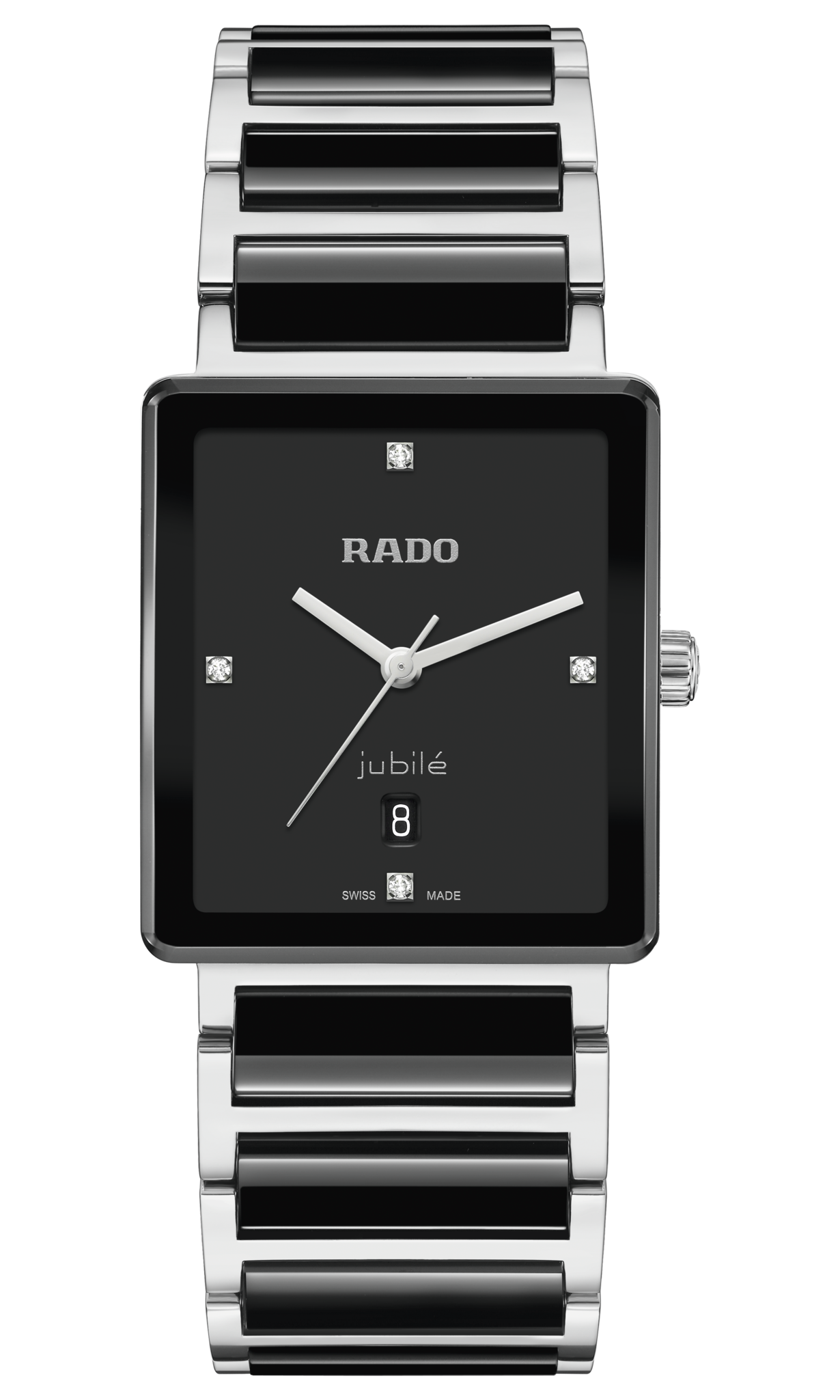
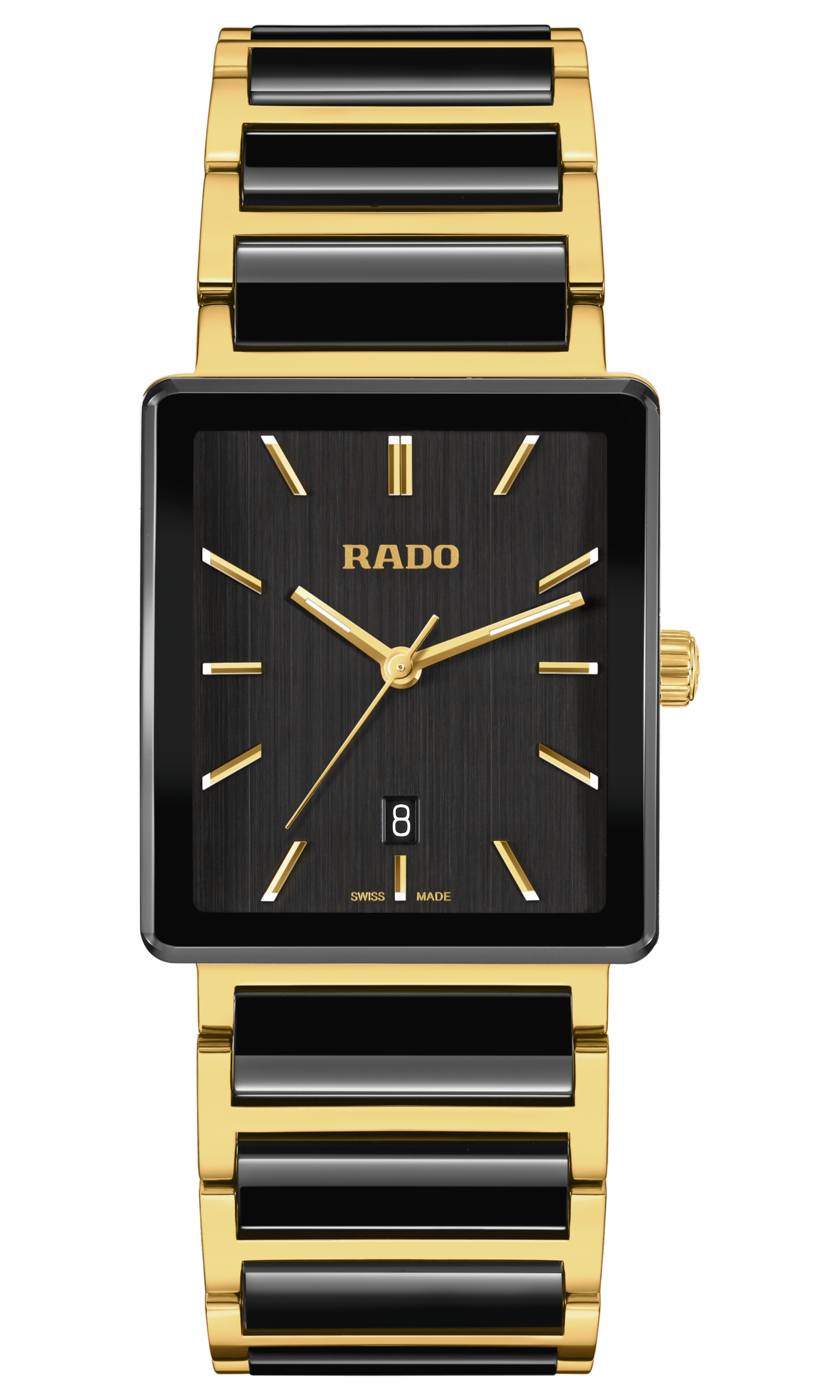
From the beginning, Rado set out to create watches that would retain their beauty over time. This ambition led the brand to explore new materials and pioneer the use of High-Tech Ceramic in series in watchmaking.
In 1986, Rado launched its first watch featuring High-Tech Ceramic. A breakthrough that redefined what a watch could be.
Decades of research and development have since expanded the possibilities of ceramic in form, colour and finish, making it a defining element of Rado design today.
,aspect=fill;Crop=(0,0,775,565),gravity=Center)
Key advantages of High-Tech Ceramic
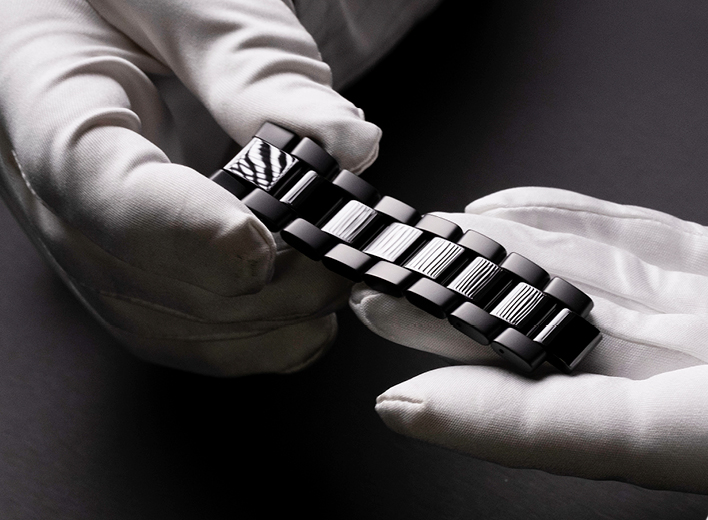
The exceptional hardness of High-Tech Ceramic helps protect the case and bracelet from everyday scratches.
Its dense structure makes the material robust and resistant to wear and corrosion.
Despite its hardness, High-Tech Ceramic is significantly lighter than many traditional watchmaking materials.
The material is skin-friendly and well suited for everyday wear.
Its smooth surface and low weight create a distinctive tactile experience on the wrist.
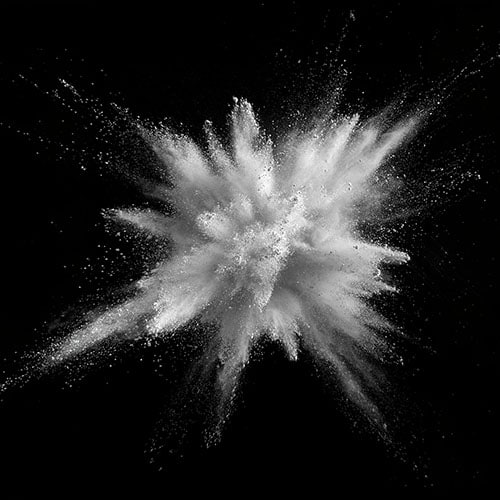
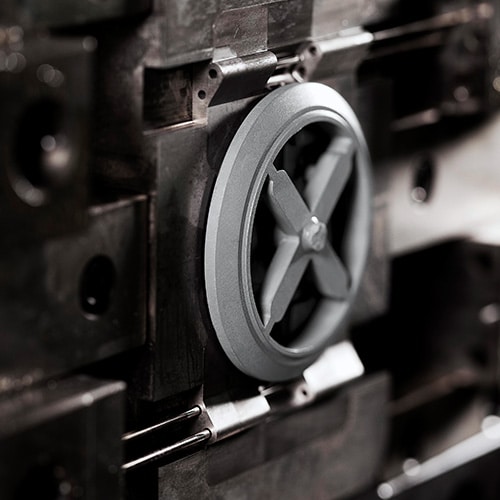
Through highly controlled manufacturing and advanced materials engineering, raw ceramic powders are transformed into a dense, durable and lightweight material that meets the demanding standards of modern watchmaking. The process takes approximately five to six weeks. During this time, the material passes through several carefully controlled stages.
,aspect=fill;Crop=(0,0,775,565),gravity=Center)
,aspect=fill;Crop=(0,0,775,565),gravity=Center)
,aspect=fill;Crop=(0,0,1024,682),gravity=Center)
,aspect=fill;Crop=(0,0,1024,682),gravity=Center)
,aspect=fill;Crop=(0,0,1024,682),gravity=Center)
,aspect=fill;Crop=(0,0,1024,682),gravity=Center)
,aspect=fill;Crop=(0,0,1024,682),gravity=Center)
,aspect=fill;Crop=(0,0,1024,682),gravity=Center)
,aspect=fill;Crop=(0,0,1024,682),gravity=Center)
,aspect=fill;Crop=(0,0,1024,682),gravity=Center)
,aspect=fill;Crop=(0,0,775,565),gravity=Center)
,aspect=fill;Crop=(0,0,775,565),gravity=Center)
,aspect=fill;Crop=(0,0,618,618),gravity=Center)
Advantages of Plasma High-Tech Ceramic
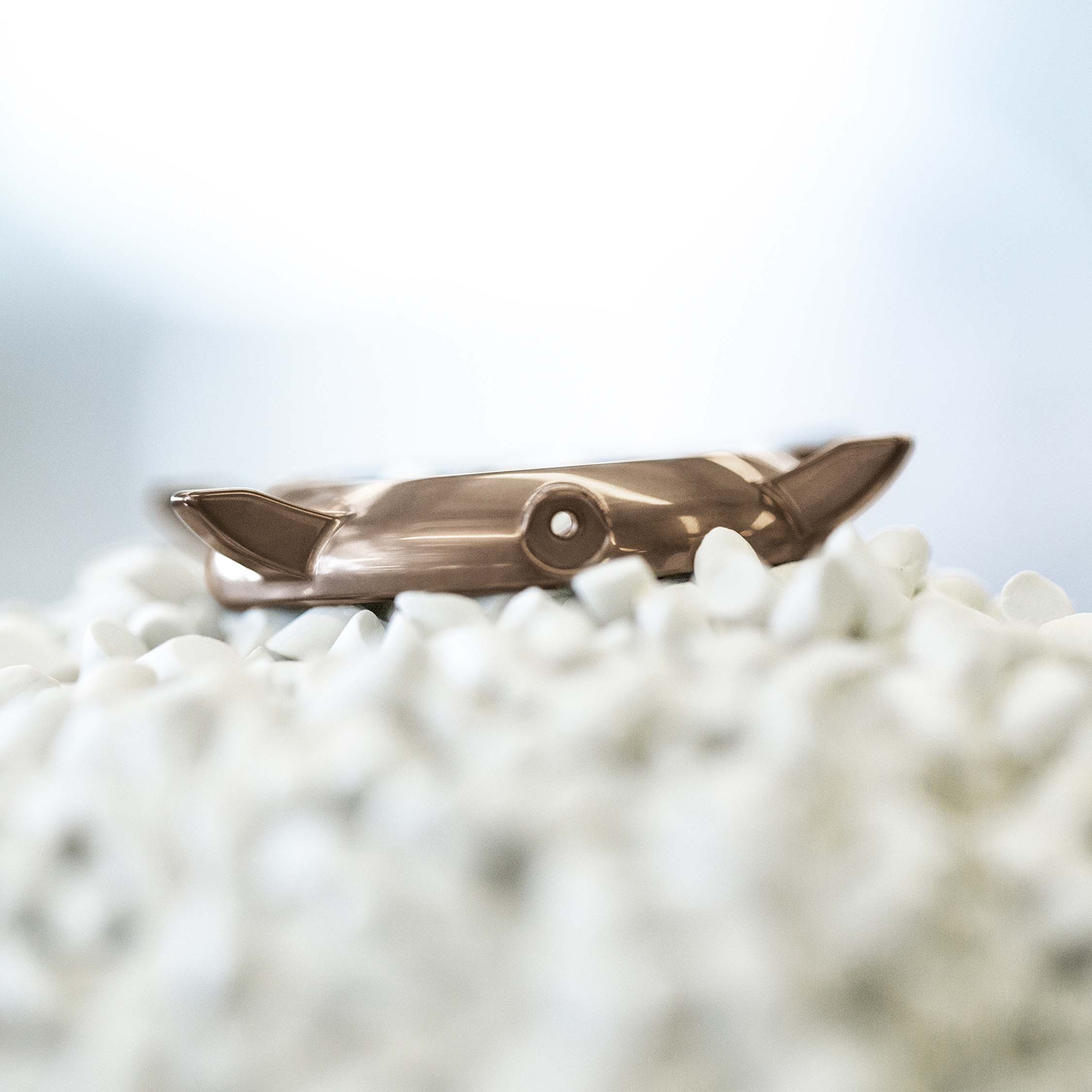
Through plasma treatment, the material achieves a luminous metallic appearance without the weight or thermal properties of metal.
The metallic look is created through a plasma transformation - no metal layers or coatings are applied.
The plasma process alters the high-tech ceramic at a molecular level, changing its appearance while preserving its nature.
Despite its metallic look, Plasma High-Tech Ceramic remains light, smooth and comfortable to wear.
The colour and finish are part of the material itself, they remain stable without fading or coating wear.
,aspect=fill;Crop=(0,0,775,565),gravity=Center)
,aspect=fill;Crop=(0,0,300,825),gravity=Center)
,aspect=fill;Crop=(0,0,300,825),gravity=Center)
,aspect=fill;Crop=(0,0,300,825),gravity=Center)
,aspect=fill;Crop=(0,0,300,825),gravity=Center)
,aspect=fill;Crop=(0,0,300,825),gravity=Center)
,aspect=fill;Crop=(0,0,300,825),gravity=Center)
,aspect=fill;Crop=(0,0,300,825),gravity=Center)
,aspect=fill;Crop=(0,0,300,825),gravity=Center)
,aspect=fill;Crop=(0,0,300,825),gravity=Center)
,aspect=fill;Crop=(0,0,300,825),gravity=Center)
,aspect=fill;Crop=(0,0,300,825),gravity=Center)
,aspect=fill;Crop=(0,0,300,825),gravity=Center)
,aspect=fill;Crop=(0,0,300,825),gravity=Center)
,aspect=fill;Crop=(0,0,300,825),gravity=Center)
,aspect=fill;Crop=(0,0,300,825),gravity=Center)
,aspect=fill;Crop=(0,0,300,825),gravity=Center)
,aspect=fill;Crop=(0,0,300,825),gravity=Center)
,aspect=fill;Crop=(0,0,300,825),gravity=Center)
,aspect=fill;Crop=(0,0,300,825),gravity=Center)
,aspect=fill;Crop=(0,0,300,825),gravity=Center)