,aspect=fill;Crop=(0,0,775,565),gravity=Center)
,aspect=fit;Crop=(0,0,200,300),gravity=Center)
,aspect=fill;Crop=(0,0,618,618),gravity=Center)

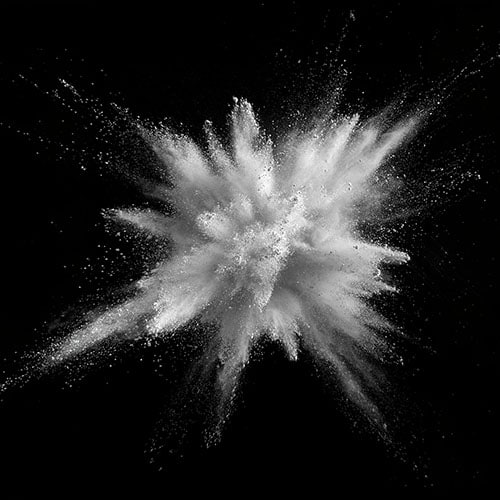
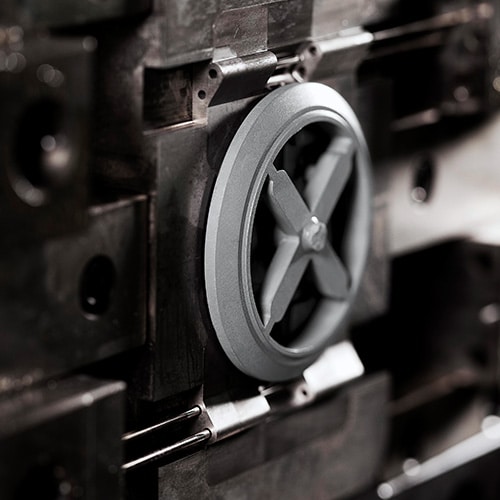
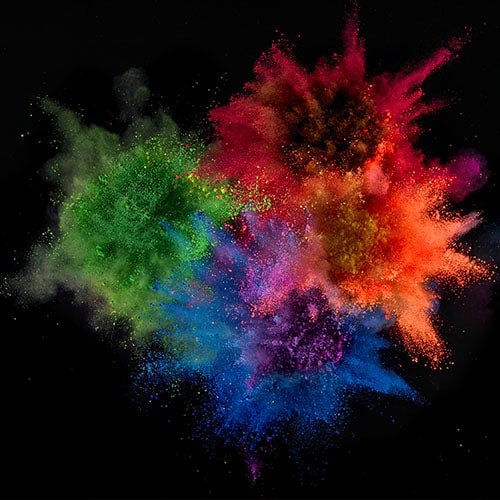

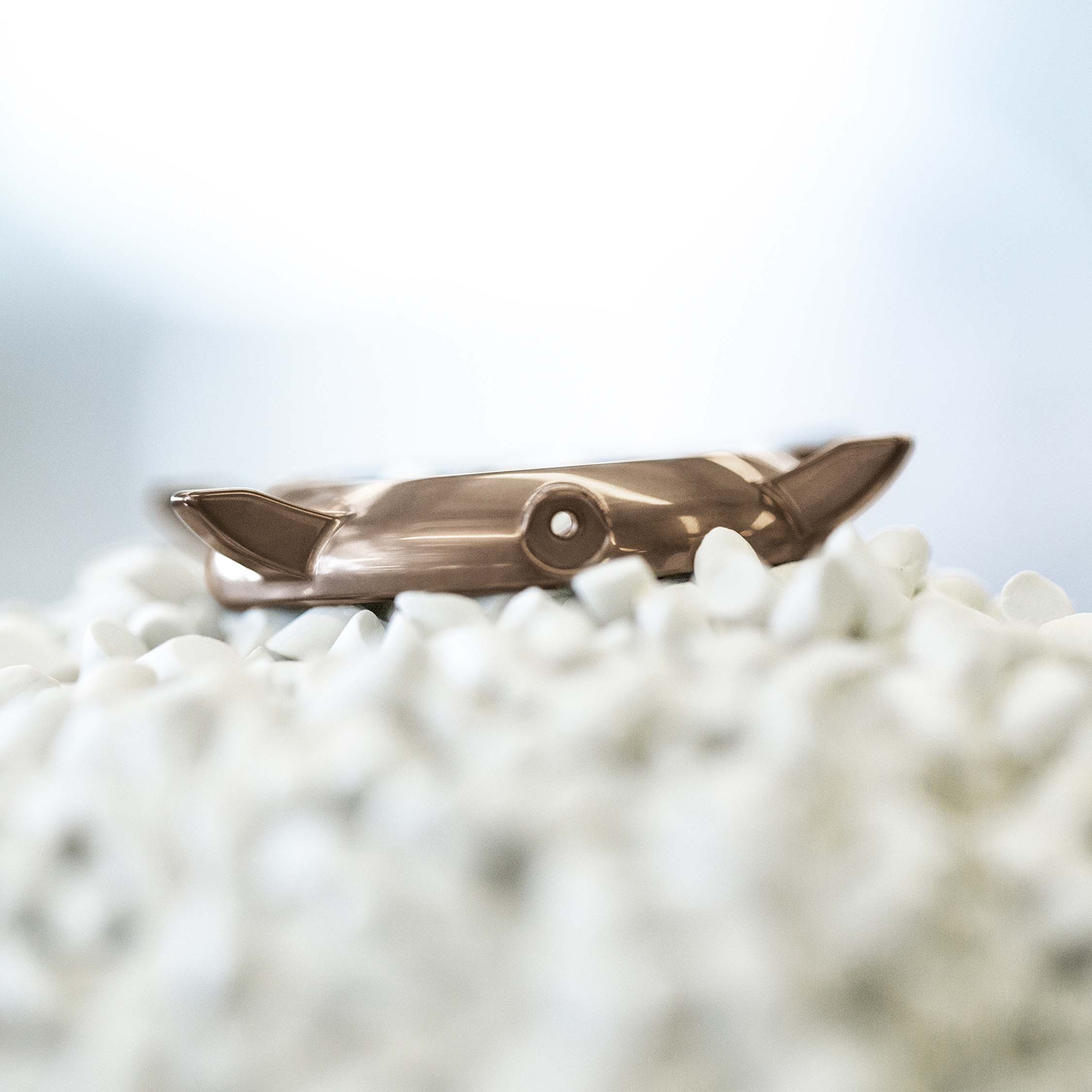
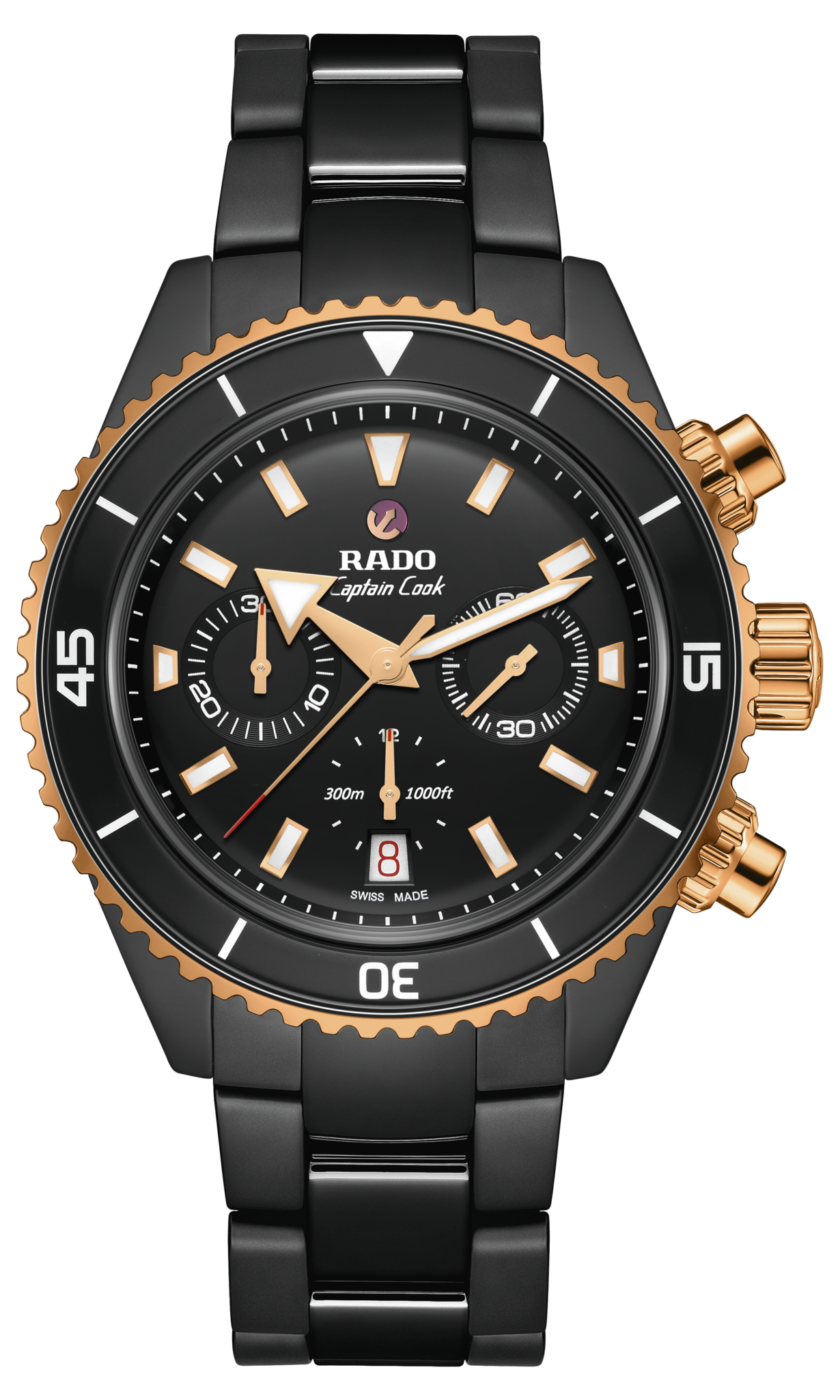
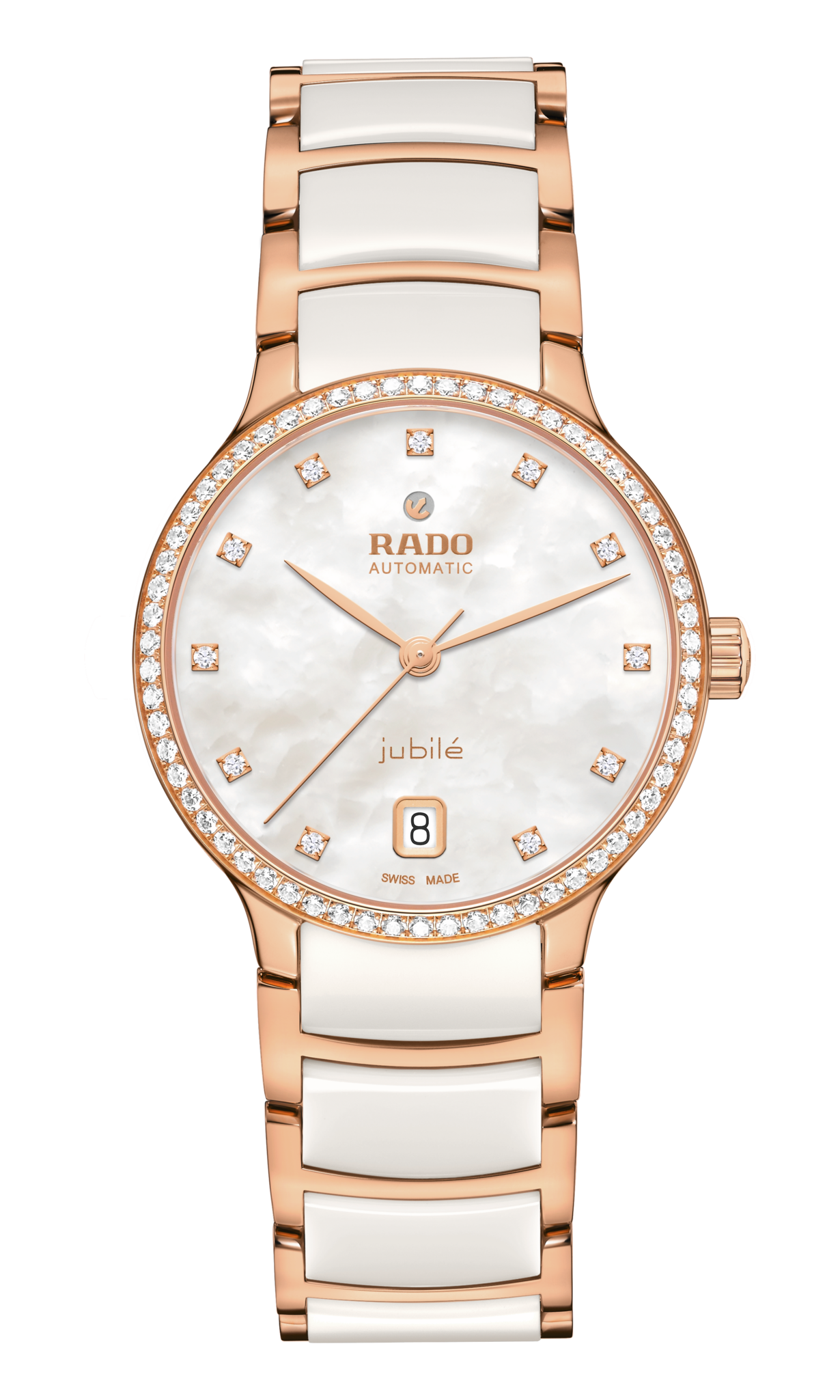
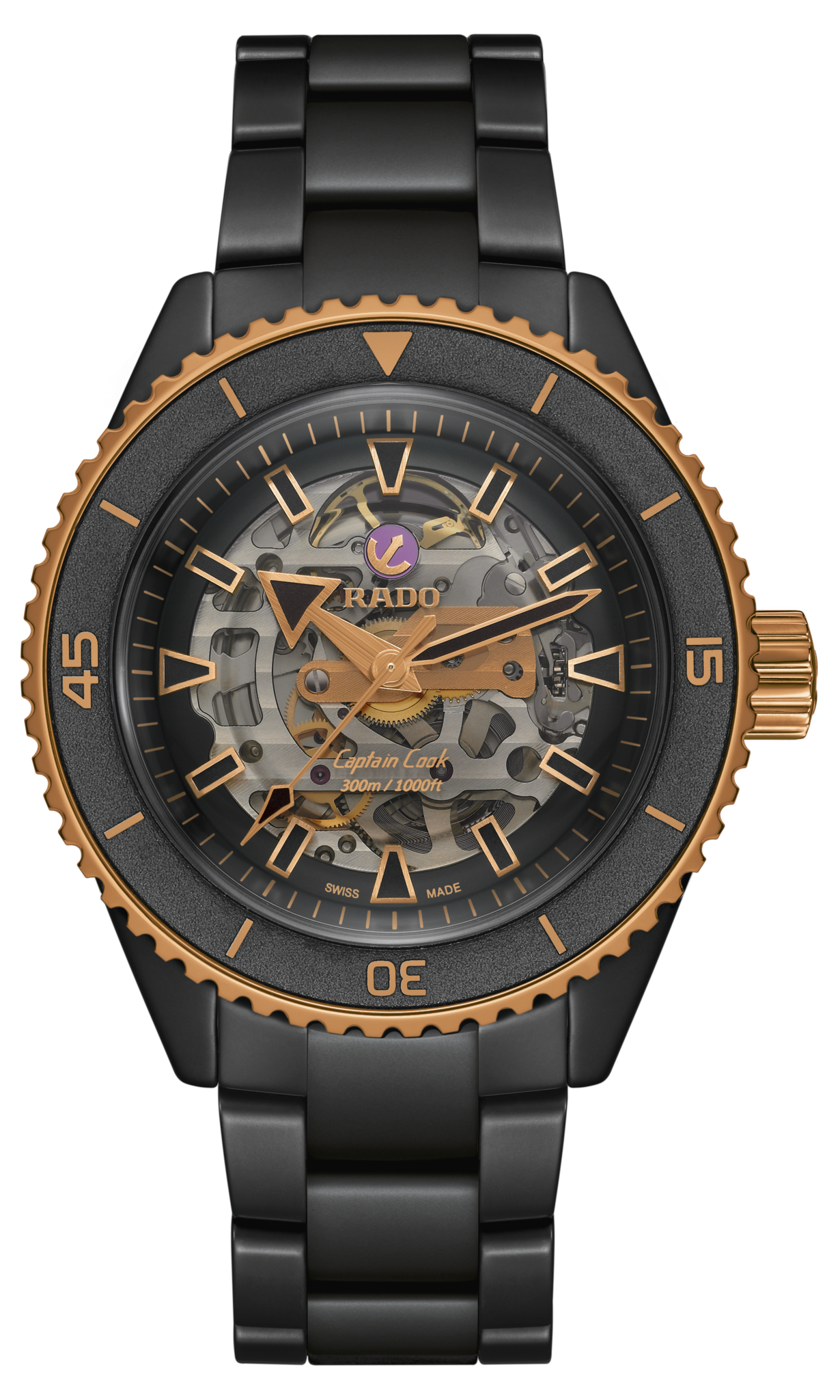
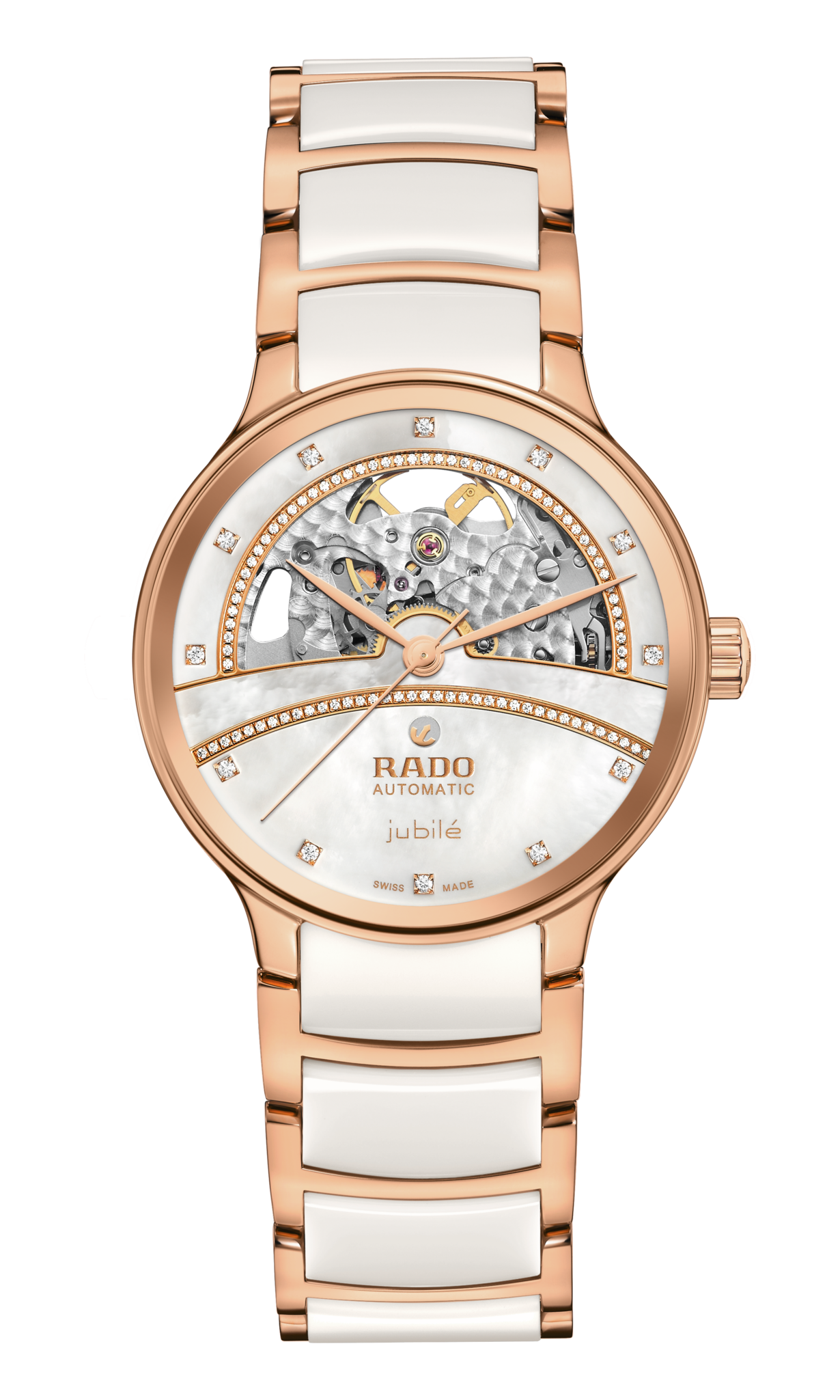
From the beginning, Rado set out to create watches that would retain their beauty over time. This ambition led the brand to explore new materials and pioneer the use of High-Tech Ceramic in series in watchmaking.
In 1986, Rado launched its first watch featuring High-Tech Ceramic. A breakthrough that redefined what a watch could be.
Decades of research and development have since expanded the possibilities of ceramic in form, colour and finish, making it a defining element of Rado design today.
,aspect=fill;Crop=(0,0,775,565),gravity=Center)
Key advantages of High-Tech Ceramic
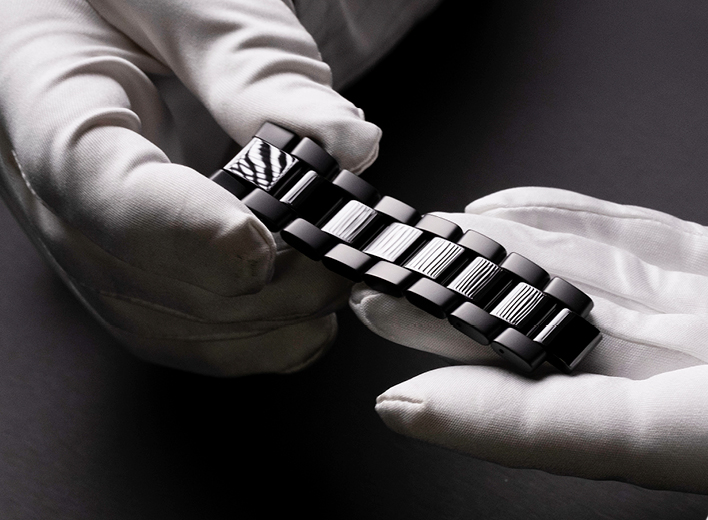
The exceptional hardness of High-Tech Ceramic helps protect the case and bracelet from everyday scratches.
Its dense structure makes the material robust and resistant to wear and corrosion.
Despite its hardness, High-Tech Ceramic is significantly lighter than many traditional watchmaking materials.
The material is skin-friendly and well suited for everyday wear.
Its smooth surface and low weight create a distinctive tactile experience on the wrist.
,aspect=fill;Crop=(0,0,775,565),gravity=Center)
,aspect=fill;Crop=(0,0,775,565),gravity=Center)
,aspect=fill;Crop=(0,0,1024,682),gravity=Center)
,aspect=fill;Crop=(0,0,1024,682),gravity=Center)
,aspect=fill;Crop=(0,0,1024,682),gravity=Center)
,aspect=fill;Crop=(0,0,1024,682),gravity=Center)
,aspect=fill;Crop=(0,0,1024,682),gravity=Center)
,aspect=fill;Crop=(0,0,1024,682),gravity=Center)
,aspect=fill;Crop=(0,0,1024,682),gravity=Center)
,aspect=fill;Crop=(0,0,1024,682),gravity=Center)
,aspect=fill;Crop=(0,0,775,565),gravity=Center)
,aspect=fill;Crop=(0,0,775,565),gravity=Center)
,aspect=fill;Crop=(0,0,618,618),gravity=Center)
Key advantages of High-Tech Ceramic
The exceptional hardness of High-Tech Ceramic helps protect the case and bracelet from everyday scratches.
Its dense structure makes the material robust and resistant to wear and corrosion.
Despite its hardness, High-Tech Ceramic is significantly lighter than many traditional watchmaking materials.
The material is skin-friendly and well suited for everyday wear.
Its smooth surface and low weight create a distinctive tactile experience on the wrist.
,aspect=fill;Crop=(0,0,775,565),gravity=Center)
,aspect=fill;Crop=(0,0,300,825),gravity=Center)
,aspect=fill;Crop=(0,0,300,825),gravity=Center)
,aspect=fill;Crop=(0,0,300,825),gravity=Center)
,aspect=fill;Crop=(0,0,300,825),gravity=Center)
,aspect=fill;Crop=(0,0,300,825),gravity=Center)
,aspect=fill;Crop=(0,0,300,825),gravity=Center)
,aspect=fill;Crop=(0,0,300,825),gravity=Center)
,aspect=fill;Crop=(0,0,300,825),gravity=Center)
,aspect=fill;Crop=(0,0,300,825),gravity=Center)
,aspect=fill;Crop=(0,0,300,825),gravity=Center)
,aspect=fill;Crop=(0,0,300,825),gravity=Center)
,aspect=fill;Crop=(0,0,300,825),gravity=Center)
,aspect=fill;Crop=(0,0,300,825),gravity=Center)
,aspect=fill;Crop=(0,0,300,825),gravity=Center)
,aspect=fill;Crop=(0,0,300,825),gravity=Center)
,aspect=fill;Crop=(0,0,300,825),gravity=Center)
,aspect=fill;Crop=(0,0,300,825),gravity=Center)
,aspect=fill;Crop=(0,0,300,825),gravity=Center)
,aspect=fill;Crop=(0,0,300,825),gravity=Center)
,aspect=fill;Crop=(0,0,300,825),gravity=Center)